Keywon C. Brown
NOTARY PUBLIC
STATE OF WISCONSIN
A notary public is a public officer of the state, a neutral witness whose signature tells the world that a person appeared, was identified, and signed freely. I hold that office the way I have held every other one: carefully.
"My goal is to serve my community and be the adult I needed when I was a child."
Commission September 4, 2026 – September 3, 2030
The reason behind the commission
Why I became a notary
I became a Wisconsin Forensic Interviewer in 2026 with the intention of helping child victims find their voice. I subsequently became a Wisconsin Notary Public to support that work directly.
As a Forensic Interviewer, I am specially trained to conduct neutral, fact-finding conversations with victims or witnesses, most often children, to gather details about suspected abuse or violence. At a certain age, children and adults must give an oath to tell the whole truth, and one must be a Notary Public for that oath to be admissible in court and to help the victim. According to Children's Advocacy Centers, the forensic interviews we conduct matter because they:
Reduces trauma
I help spare victims from repeating their story to multiple police officers, social workers, and lawyers.
Non-leading questions
I use open-ended, developmentally appropriate questions that avoid suggesting answers or influencing a child's memory.
Protects evidence
We record the interview to preserve an accurate, objective account that can stand up in court.
Coordinates the response
We allow multidisciplinary teams, including law enforcement and child protective services, to observe safely and make decisions together without crowding the victim.
Together, these practices allow the forensic interviews we conduct to become a victim's admissible testimony in court, reducing their continued trauma exposure during those proceedings.
This is my main focus and the purposeful reason I hold my Notary Public commission. Once children reach about ten years of age, they are expected to demonstrate that they understand the difference between truth and lies and to give an oath to tell the truth in their testimony. I administer that oath as part of the trained techniques and guidelines we follow to help ensure the victim's testimony is admissible in court.
Sources: National Children's Advocacy Center, Child Forensic Interview Structure; Children's Advocacy Centers of Washington, Benefits of CAC Interviews.
The office, and the person holding it

Integrity first
Every act is performed in person, verified, and recorded. No shortcuts, no favors, no exceptions.
Why notaries matter
Sworn and commissioned
Commissioned by the State of Wisconsin under Chapter 140 of the Wisconsin Statutes.
Read the oath
Rooted in service
Eighteen years in law enforcement and years of board service across Fond du Lac.
See the work
Public knowledge
A plain-language guide to what a Wisconsin notary can and cannot do for you.
Notary rulesServing Fond du Lac
Board rooms, museums, libraries, schools and advocacy centers. The notary commission is one more way to be useful to the same community.
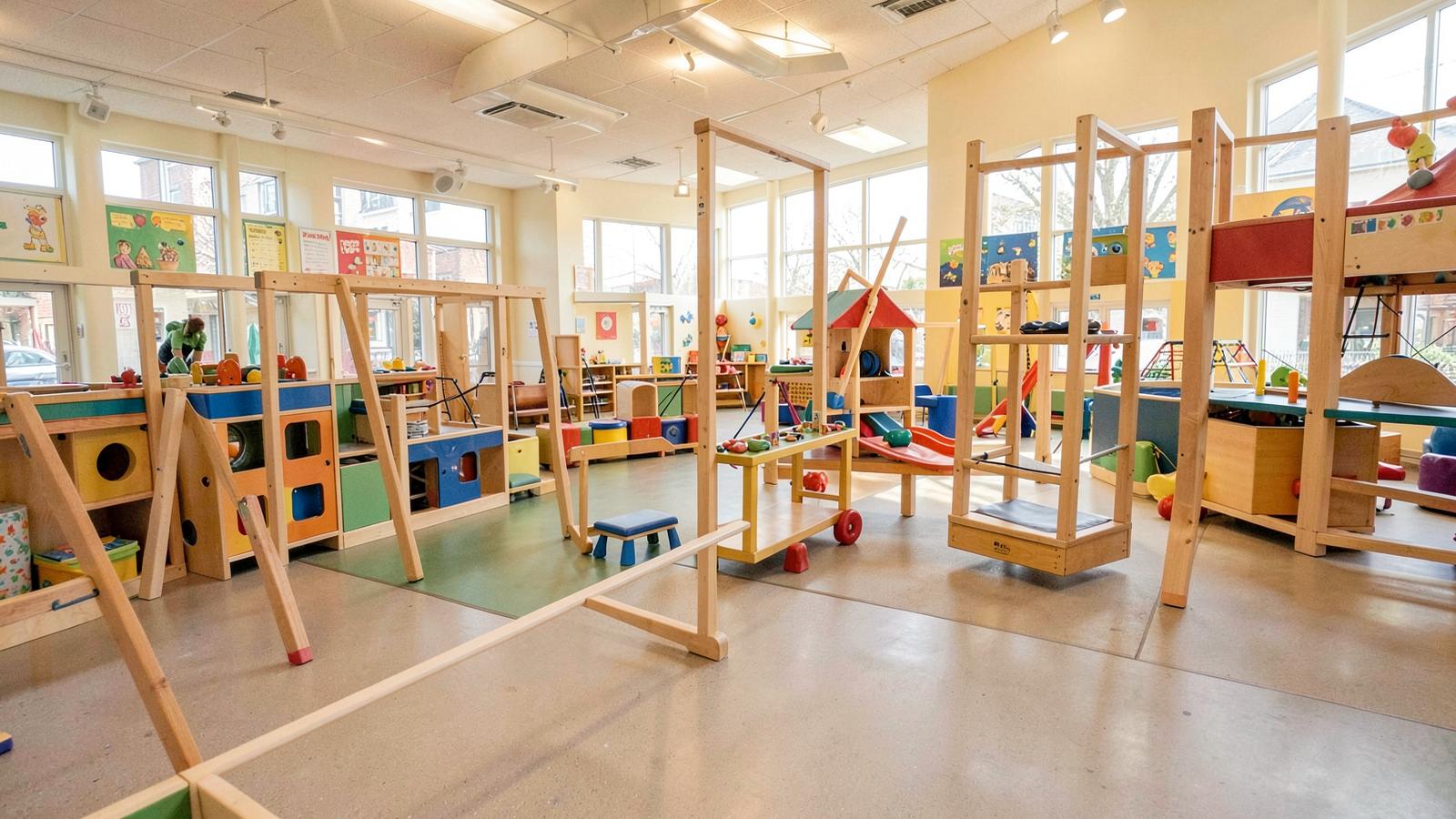
Children's Museum of Fond du Lac
Learning through play, for every child in the county.
Read more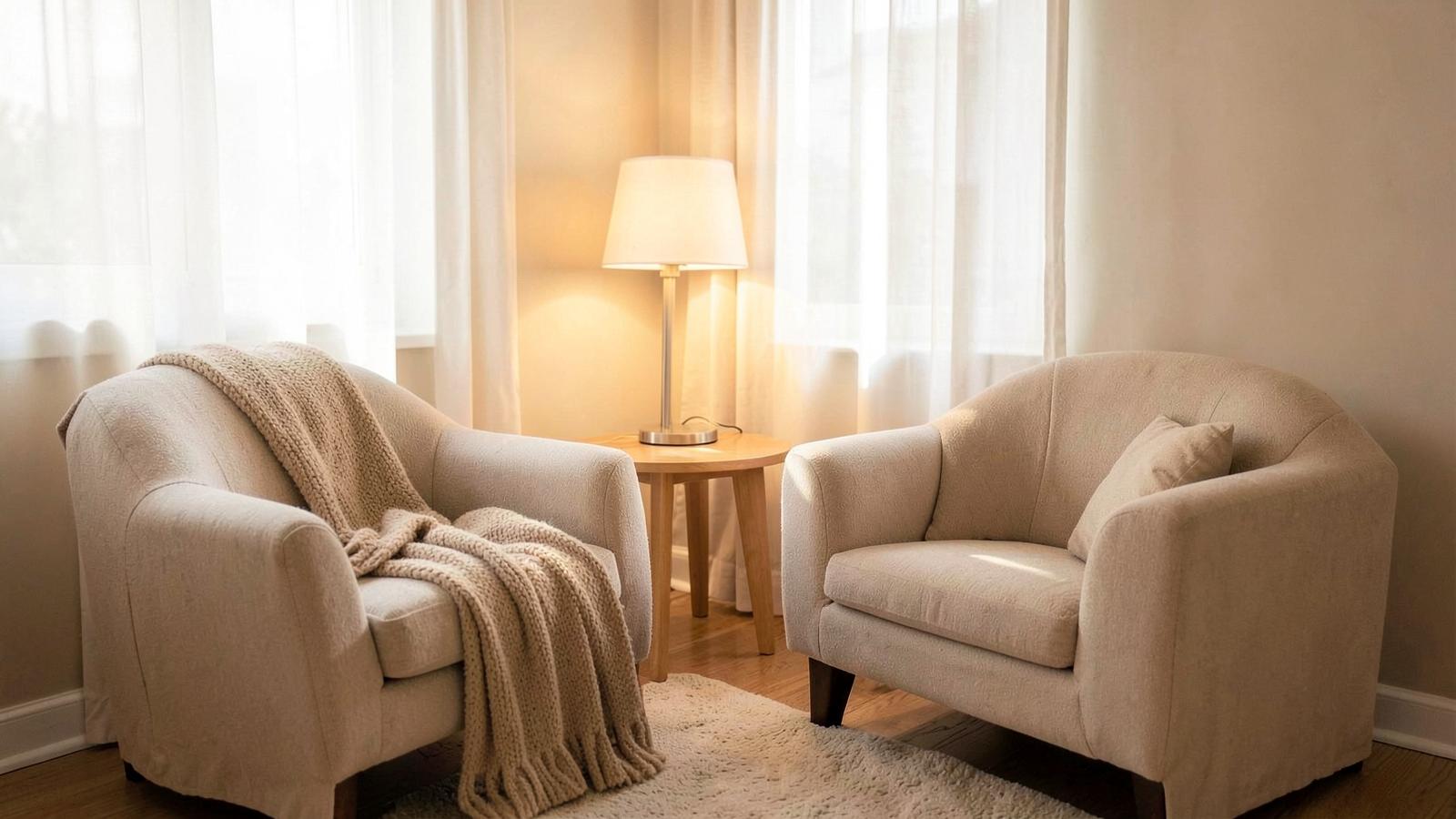
ASTOP Sexual Abuse Advocacy Center
Advocacy, healing, and 24/7 support for survivors.
Read more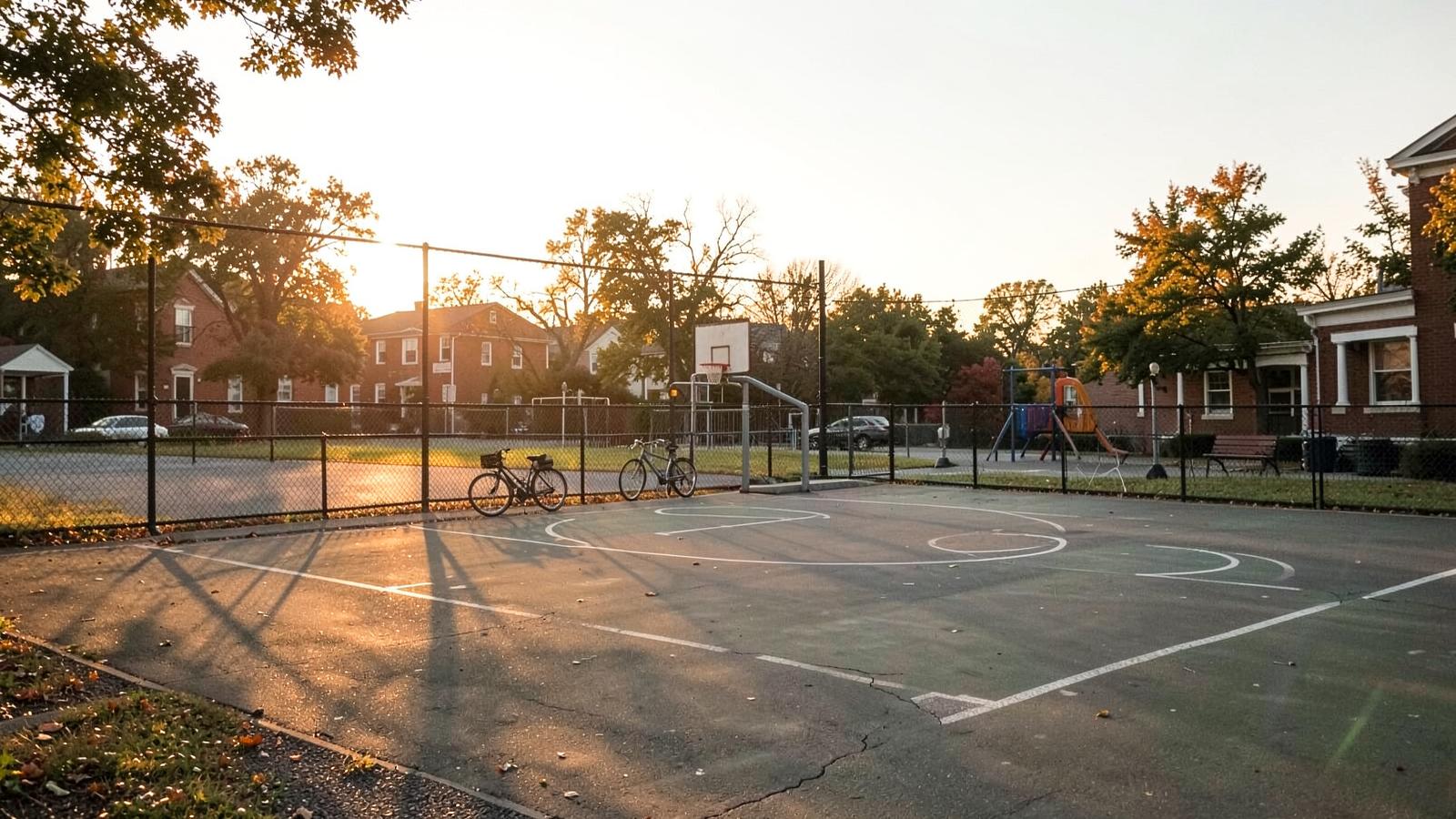
Cops for Kids Appropriations Committee
Putting community dollars directly into children's hands.
Read more